
Eggplant is a versatile and nutritious vegetable that can be prepared in many different ways.
Whether you’re looking for a tasty side dish or a main course, eggplant has something to offer everyone.
From pickling to fermenting, there are many ways to preserve this delicious vegetable so it can be enjoyed all year round.
It’s also incredibly easy to make too much eggplant, but don’t worry – there are plenty of recipes out there if you find yourself with an overabundance!
In this article, we’ll explore the best ways to preserve eggplant as well as some creative ideas for what you can do with too much of it.
So let’s get started!
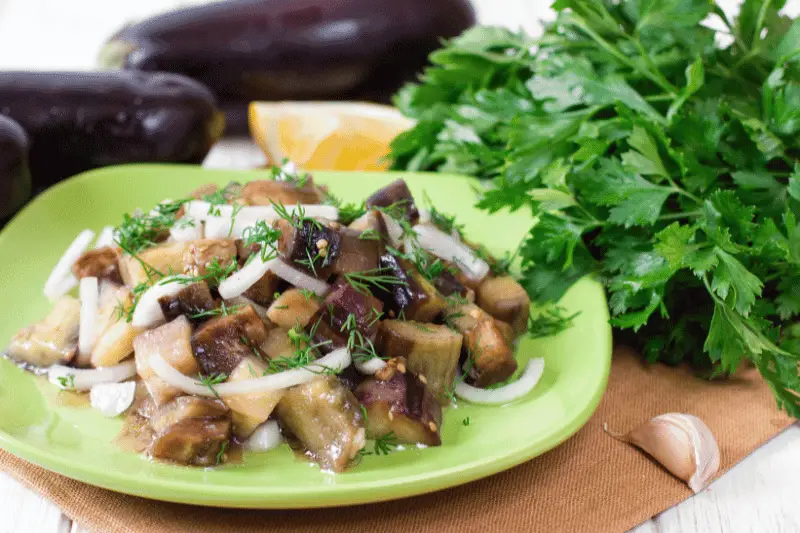
What is the best way to preserve eggplant?
The best way to preserve eggplant is to pickle or can it.
This process involves blanching the eggplant, packing it into jars with vinegar or brine, and then sealing the jars tightly.
You can also freeze eggplant slices that have been lightly coated in oil for up to six months.
Another option is drying out slices of eggplant in a dehydrator before storing them in an airtight container.
Whichever method you choose, ensure your containers are clean and well-sealed to maintain the quality of your preserved eggplants!
Recipe for Pickled Eggplant
Ingredients:
- 2 pounds eggplants, washed and trimmed
- 6 cloves garlic, peeled
- 4 sprigs fresh dill
- 2 teaspoons whole mustard seeds
- 1 teaspoon coriander seeds
- 4 cups white vinegar or apple cider vinegar
- 3 tablespoons sea salt
- 2 cups filtered water
Instructions:
1. In a mason jar or large container, combine the garlic, dill, mustard seed, and coriander.
Pack the mixture tightly into the bottom of the jar.
2. Top the spices with the washed and trimmed eggplant pieces. Make sure they’re packed in tightly to avoid air pockets.
Add a pinch of salt and black pepper as desired.
3. In a medium saucepan, bring together the white vinegar (or apple cider vinegar), salt, and water.
Bring to a boil and stir until all of the ingredients are dissolved.
4. Pour this brine solution over your eggplant in the jar so that they’re completely covered by liquid at least one inch above the surface of the beans.
You may need to press down on them gently to remove air pockets or add extra brine solution if required.
Add additional seasoning if desired, such as chilies, bay leaves, cardamom pods, etc…
Allow it to cool before closing it up for storage in your refrigerator for up to 10 days before opening them up for consumption!
Is Pickled Eggplant good for you?
Pickled eggplant is an excellent source of vitamins, minerals, and antioxidants.
It contains fiber which helps with digestion, as well as Vitamin C for strong immunity.
The vinegar used to preserve the eggplants also lowers cholesterol levels and fights inflammation.
Pickling may also reduce the amount of sugar contained in the eggplant itself.
All in all, pickled eggplant is a healthy and delicious way to enjoy this unique vegetable!
How to make Italian Pickled Eggplant?
To make Italian Pickled Eggplant, you need to start by cutting the eggplant into thin slices and lightly salting them.
Allow them to sit in a colander for about 30 minutes to draw out some moisture.
Then rinse and pat dry with paper towels.
Next, layer the eggplant slices in jars with garlic cloves, oregano leaves, bay leaves, and crushed red pepper flakes.
Fill the jars with water (or white wine vinegar) until they are completely covered.
Seal each jar and leave it at room temperature to ferment for 3-7 days before transferring it to the refrigerator, which will last up to two months!
How do you ferment eggplant?
Fermenting eggplant is a great way to preserve it and enjoy its unique flavor.
The process involves cutting the eggplant into small cubes or slices, salting them, and allowing them to sit in a container until they form a slightly sour brine.
This should take 8-10 days, depending on the temperature of your room.
Once complete, you can store the fermented eggplant in an airtight container for up to 6 months without losing any flavor!
Fermented eggplants can be used in salads, sandwiches, stir-fries and much more!
What can I do with too much eggplant?
If you have too much eggplant, try some of these recipe ideas:
- Roast it in the oven with olive oil and spices for a tasty side dish.
- Make eggplant parmesan or lasagna.
- Create a hearty vegan ratatouille full of seasonal vegetables like zucchini, tomatoes, onion and garlic.
- Grill slices of eggplant for smoky flavor in salads or sandwiches.
- Blend up delicious baba ghanoush dip made with tahini and other Mediterranean ingredients.
- Try out an exotic curry featuring your favorite Indian spices such as turmeric, cardamom and cumin.
Final Thoughts
From roasting to grilling, there are many delicious ways to enjoy eggplant.
If you have too much of it or just want a unique way to preserve the vegetable’s flavor and nutrition, pickling is an excellent option!
With our simple recipe for Italian Pickled Eggplant, you can create your homemade version at home.
And if that doesn’t do the trick, fermentation works well, too – giving you up to 6 months worth of flavorful eggplants!
No matter how you prepare them, these recipes will ensure that all your extra eggplants don’t go wasted.
