
Meal prepping is a popular trend that allows individuals to save time and effort in the kitchen while ensuring they have healthy and convenient meals throughout the week. One method of meal prep that has gained significant attention is pickling.
Pickling offers a fantastic way to preserve and enhance the flavor of various ingredients, making it an excellent option for those looking to optimize their meal prep routine.
In this article, we will explore the art of pickling for meal prep, including its benefits, essential equipment and ingredients, step-by-step guide, tips for success, incorporation into meal prep, safety considerations, and storage guidelines.
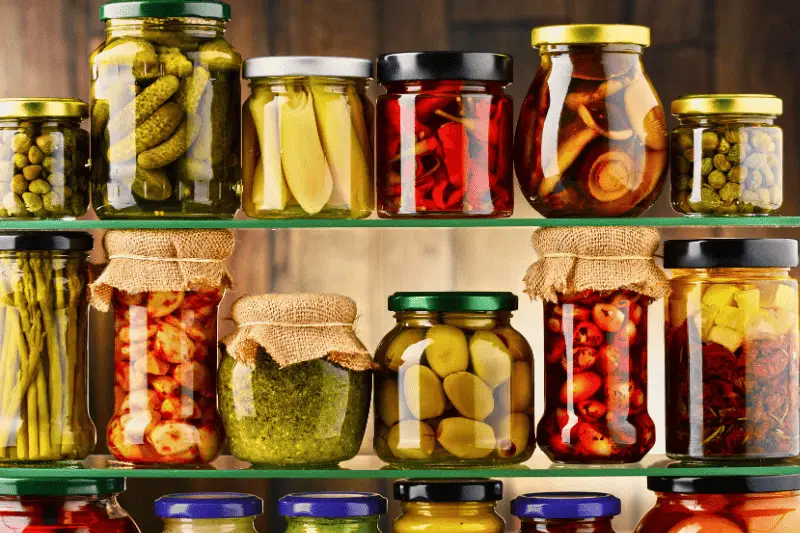
Benefits of Pickling for Meal Prep
Pickling offers numerous benefits that make it an ideal technique for meal prep. Let’s take a closer look at some of these advantages:
Extended Shelf Life
One of the primary benefits of pickling is the extended shelf life it provides for ingredients. By immersing vegetables or fruits in a brine solution containing vinegar, salt, and other flavor-enhancing ingredients, you create an acidic environment that inhibits the growth of spoilage-causing microorganisms.
This preservation method allows you to enjoy your pickled ingredients for an extended period, reducing the need for frequent grocery store visits.
Enhanced Flavor and Texture
Pickling can transform the flavor profile of ingredients, adding a tangy, savory, or sweet taste depending on the chosen brine and spices. The process of pickling also enhances the texture of the ingredients, giving them a satisfying crunch or a tender bite.
These flavor and texture enhancements can elevate the taste of your meal prep dishes, making them more enjoyable and appetizing.
Time-Saving Convenience
Another significant advantage of pickling for meal prep is the time-saving convenience it offers. Once you’ve pickled your chosen ingredients, they can be readily incorporated into various dishes without the need for extensive cooking or preparation.
This convenience allows you to quickly assemble flavorful meals by simply adding pickled ingredients to salads, sandwiches, wraps, or side dishes.
Essential Equipment and Ingredients for Pickling
Before diving into the pickling process, it’s essential to gather the necessary equipment and ingredients. Here are the items you’ll need:
Mason Jars or Glass Containers
To pickle your ingredients, you’ll require suitable containers to hold the produce and brine solution. Mason jars or other glass containers with airtight lids are ideal for pickling as they are non-reactive and won’t leach harmful chemicals into the food.
Vinegar
Vinegar is a crucial ingredient in the pickling process as it provides the necessary acidity for preservation and flavor. Distilled white vinegar is a popular choice, but you can also experiment with other types like apple cider vinegar, white wine vinegar, or rice vinegar to achieve different flavors.
Salt and Sugar
Salt is essential for drawing out moisture from the ingredients and preserving their texture. It also enhances the flavor. Sugar can be added to balance the acidity and create a pleasant sweet-sour balance in the pickles.
Spices and Herbs
Spices and herbs play a vital role in adding depth and complexity to your pickles. Common options include dill seeds, mustard seeds, peppercorns, coriander seeds, cinnamon sticks, bay leaves, and fresh herbs like dill, thyme, or rosemary. Experiment with different combinations to find your preferred flavor profiles.
Fresh Produce
The star of the pickling show is, of course, the fresh produce you choose. Opt for vegetables like cucumbers, carrots, radishes, onions, or cauliflower florets. Fruits such as berries, cherries, or watermelon rinds can also be pickled for unique and flavorful additions to your meal prep repertoire.
Step-by-Step Guide to Pickling for Meal Prep
Now that you have your equipment and ingredients ready, let’s walk through the pickling process step-by-step:
- Selecting the Right Vegetables or Fruits
When choosing vegetables or fruits for pickling, opt for fresh produce that is firm and free from blemishes. This ensures that your pickles will have a desirable texture and flavor. Experiment with different options to discover your favorite combinations or focus on ingredients that complement the dishes you plan to incorporate them into.
- Preparing the Brine
The brine is a crucial element in pickling as it imparts the desired flavors and preserves the ingredients. In a saucepan, combine vinegar, water, salt, and sugar. Bring the mixture to a boil, stirring until the salt and sugar are fully dissolved. At this stage, you can add spices and herbs to infuse additional flavors into the brine.
- Sterilizing the Jars
To ensure the safety and longevity of your pickles, it’s essential to sterilize the jars before use. Wash the jars and lids with hot, soapy water, rinse thoroughly, and then place them in a pot of boiling water for about 10 minutes. Alternatively, you can run the jars and lids through a dishwasher cycle.
- Packing the Jars with the Produce
Once the jars are sterilized, carefully pack them with your chosen vegetables or fruits. Ensure that the produce is cut into appropriate sizes and shapes for easy consumption. Leave enough headspace at the top of the jars to accommodate the brine.
- Pouring the Brine over the Produce
After packing the jars with produce, carefully pour the hot brine over the vegetables or fruits, ensuring that they are completely submerged. Leave a small gap at the top of the jar to allow for expansion during the pickling process. Use a clean utensil, such as a chopstick or a non-metallic spatula, to remove any air bubbles and ensure the brine penetrates all the ingredients.
- Sealing and Storing the Jars
Once the jars are filled with the brine and produce, wipe the rims clean with a damp cloth to remove any residue. Place the lids on the jars and tighten them securely. If you plan to store the pickles in the refrigerator, allow the jars to cool completely before transferring them. For long-term storage outside the refrigerator, additional steps such as water bath canning may be required.
- Allowing the Pickles to Ferment
After sealing the jars, it’s time to allow the pickles to ferment and develop their flavors. Store the jars in a cool, dark place, such as a pantry or cellar, for at least a few days to several weeks, depending on the desired level of fermentation. Remember to check the jars occasionally for any signs of spoilage or mold growth.
- Refrigerating or Canning the Pickles
Once the pickles have reached your desired level of fermentation, you can choose to store them in the refrigerator or proceed with canning for long-term storage. Refrigeration slows down the fermentation process and keeps the pickles crisp. Canning involves additional steps such as heat processing the jars to create a vacuum seal, ensuring shelf-stability.
Tips for Successful Pickling
To achieve the best results with your pickling endeavors, consider the following tips:
- Using Fresh, High-Quality Ingredients
Selecting fresh and high-quality produce is essential for tasty pickles. Farmers markets or homegrown vegetables and fruits often offer the best flavor and texture for your pickling projects.
- Balancing Flavors with Spices and Herbs
Experiment with different combinations of spices and herbs to create unique flavor profiles for your pickles. Don’t be afraid to try new combinations and adjust the amounts according to your taste preferences.
- Experimenting with Different Vinegars
While distilled white vinegar is a popular choice for pickling, don’t limit yourself. Explore other types of vinegar such as apple cider vinegar, white wine vinegar, or rice vinegar to add complexity to your pickles.
- Properly Sterilizing the Jars
Sterilizing the jars before use helps prevent spoilage and ensures the longevity of your pickles. Take the time to clean and sterilize the jars and lids properly for safe and delicious results.
- Allowing Pickles to Ferment for Optimal Taste
The flavor of pickles develops over time as they ferment. Be patient and allow your pickles to ferment for the desired duration to achieve the best taste and texture.
Incorporating Pickled Ingredients into Meal Prep
Now that you have a batch of delicious pickles, it’s time to incorporate them into your meal prep routine. Here are a few ideas to get you started:
- Pickled Vegetables as Salad Toppers
Add a burst of flavor and crunch to your salads by including pickled vegetables as toppings. They can complement a range of salads, from leafy greens to grain-based salads, providing a tangy and refreshing element.
- Pickled Fruits in Yogurt or Oatmeal
For a sweet and tangy twist, try adding pickled fruits to your morning yogurt or oatmeal. The combination of creamy textures with the bright and zesty flavors of pickled fruits creates a delightful breakfast experience.
- Pickled Condiments for Sandwiches and Wraps
Upgrade your sandwiches and wraps by using pickled condiments. From pickled onions to jalapenos or even pickled cucumber slices, these tangy additions add an extra layer of flavor that cuts through rich and savory fillings.
- Pickled Side Dishes for Main Meals
Pair your main dishes with pickled side dishes to add a burst of acidity and freshness. Pickled beets, carrots, or cabbage make excellent accompaniments to grilled meats, roasted vegetables, or hearty stews.
Safety Considerations and Storage Guidelines
While pickling is a safe and reliable preservation method, it’s important to follow some safety considerations and storage guidelines:
- Proper Handling of Pickling Ingredients
Maintain good hygiene when handling pickling ingredients. Wash your hands thoroughly, sanitize utensils, and ensure the cleanliness of your workspace to minimize the risk of contamination.
- Safe Storage and Refrigeration Practices
If you choose to store your pickles in the refrigerator, keep them in clean, airtight containers to maintain their quality and prevent cross-contamination with other foods. Label the jars with the pickling date for easy reference.
- Checking for Signs of Spoilage or Contamination
Before consuming your pickles, always check for signs of spoilage or contamination. If the pickles have an off-putting odor, slimy texture, or mold growth, discard them immediately to prevent foodborne illnesses.
Final Thoughts
Pickling for meal prep is a fantastic way to save time in the kitchen while adding flavor and versatility to your dishes.
By following the step-by-step guide, incorporating essential tips, and experimenting with various ingredients, you can create a range of delicious pickles that enhance your meal prep routine.
Whether you choose to enjoy pickled vegetables as salad toppers or pickled fruits in your morning yogurt, the tangy and vibrant flavors of pickles are sure to elevate your meals.
FAQs
- How long do pickled vegetables last? Pickled vegetables can last for several months when stored properly in the refrigerator. However, their texture and flavor may gradually change over time.
- Can I reuse the pickling brine? Reusing pickling brine is possible, but it’s important to note that the flavors may become diluted with each use. If reusing the brine, ensure that it hasn’t been contaminated and adjust the seasoning if needed.
- Can I pickle using different types of vinegar? Yes, you can experiment with different types of vinegar to achieve unique flavors. Distilled white vinegar is commonly used, but apple cider vinegar, white wine vinegar, or rice vinegar can offer different taste profiles.
- Can I pickle fruits as well as vegetables? Absolutely! Pickling fruits can result in delicious and tangy treats. Fruits like berries, cherries, and watermelon rinds can be pickled for a burst of flavor.
- Are there any health benefits to pickling? Pickling can offer some health benefits. The fermentation process can promote the growth of beneficial bacteria that support gut health. Additionally, pickled vegetables retain some of their nutritional value, including vitamins and minerals, although the amounts may vary. As with any food, moderation is key.
