
Seasonal eating allows us to savor the flavors of fresh produce at their peak. However, when we have an abundance of fruits and vegetables, it can be challenging to consume them all before they spoil. This is where pickling comes to the rescue.
Pickling is an age-old preservation method that not only helps extend the shelf life of seasonal produce but also enhances their taste and nutritional value.
In this article, we will explore the art of pickling and provide you with valuable tips and recipes to enjoy the benefits of pickled vegetables throughout the year.
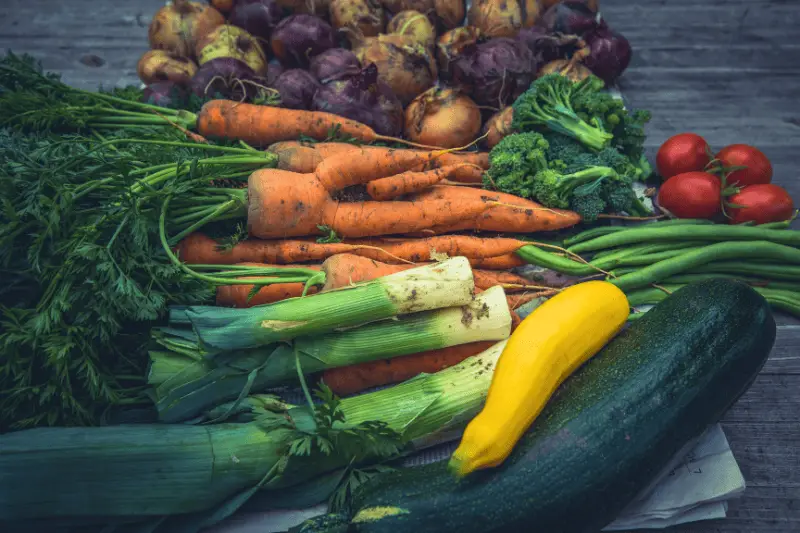
As the seasons change, our gardens and local farmers’ markets overflow with an abundance of fresh fruits and vegetables. It’s a joyous time when we can indulge in the bounties of nature. However, as any avid gardener or food enthusiast knows, the harvest season can be overwhelming. Thankfully, pickling offers a practical solution to prolong the enjoyment of seasonal produce.
What is Pickling?
Pickling is a preservation technique that involves preserving vegetables or fruits in a liquid solution, typically a brine or vinegar mixture. The process of pickling creates an environment that inhibits the growth of spoilage-causing microorganisms, ensuring the longevity of the preserved food. This method has been used for centuries across various cultures to make pickles, relishes, and other delicious condiments.
Benefits of Pickling
Pickling offers several benefits that make it a popular preservation method:
Preserving Fresh Produce
One of the primary advantages of pickling is its ability to preserve fresh produce. By immersing vegetables or fruits in a brine solution, the growth of bacteria, yeasts, and molds is slowed down, allowing you to enjoy the flavors of the harvest for months to come. Pickling offers a fantastic opportunity to reduce food waste and make the most of your homegrown or locally sourced fruits and vegetables.
Enhancing Flavors
Pickling is not only about preservation; it’s also about transforming the taste of ordinary vegetables into tangy, crunchy, and flavor-packed delights. The process of pickling infuses the produce with a unique combination of sweet, sour, and sometimes spicy flavors. From zesty pickled cucumbers to fiery jalapenos, each pickled vegetable offers a distinctive taste profile that can elevate your culinary creations.
Nutritional Value
Contrary to popular belief, pickled vegetables retain a significant portion of their nutritional value. While some vitamins may be lost during the pickling process, the fermentation or brine solution often adds probiotics, which are beneficial for gut health. Additionally, pickles are low in calories and can be a healthier alternative to other condiments high in fat or sugar.
Types of Pickling Methods
There are several methods of pickling, each offering its own unique characteristics and flavors. Let’s explore three popular pickling techniques:
Fermentation Pickling
Fermentation pickling involves naturally cultivating the growth of beneficial bacteria, known as lactobacilli, which convert the sugars in vegetables into lactic acid. This method not only enhances the tangy flavor but also creates an environment that inhibits the growth of harmful bacteria. Fermented pickles have a distinct sour taste and are packed with probiotics.
Quick Pickling
Quick pickling, also known as fresh pack or refrigerator pickling, is a simple and convenient method that requires no fermentation. Instead, vegetables are immersed in a vinegar-based brine solution along with aromatic herbs and spices. Quick pickles can be ready to enjoy within a few hours and are best stored in the refrigerator for short-term use.
Refrigerator Pickling
Similar to quick pickling, refrigerator pickling is a non-fermented method that relies on storing pickles in the refrigerator. It is an ideal technique for those who prefer crisp, crunchy pickles without the involvement of fermentation. Refrigerator pickles can be made using a vinegar or saltwater brine and are typically consumed within a few weeks.
Essential Equipment for Pickling
Before diving into the pickling process, it’s important to have the right equipment on hand. While the exact tools may vary depending on the pickling method you choose, here are some essential items you’ll likely need:
- Glass jars with airtight lids: Choose jars appropriate for the quantity of produce you plan to pickle. Mason jars or repurposed pickle jars work well.
- Canning funnel: This funnel makes it easier to pour the brine into jars without any spills.
- Weights or fermentation lids: If you opt for fermentation pickling, weights or specialized fermentation lids help keep the vegetables submerged in the brine.
- Kitchen thermometer: Fermentation pickling requires maintaining a specific temperature range, and a kitchen thermometer ensures accuracy.
- Basic kitchen utensils: Wooden spoons, tongs, and a ladle come in handy during the pickling process.
Having these tools ready will streamline your pickling experience and make it more enjoyable.
Steps to Pickling
Now that you’re equipped with the necessary knowledge and tools, let’s dive into the step-by-step process of pickling.
1. Preparation
Start by gathering the freshest produce from your garden or local market. Wash the vegetables thoroughly and remove any blemishes or damaged parts. It’s important to work with clean and healthy ingredients for the best pickling results.
2. Brine Preparation
The brine is a crucial element in the pickling process. It adds the necessary acidity and flavor to the vegetables. Depending on the recipe or pickling method, the brine can be a combination of vinegar, water, salt, sugar, and spices. Prepare the brine according to the recipe you’re following, and ensure the ingredients are well-dissolved.
3. Vegetable Selection
Choose the vegetables you want to pickle. Popular choices include cucumbers, carrots, radishes, cauliflower, and green beans, but feel free to experiment with different vegetables based on your preferences. Cut them into suitable sizes and shapes, ensuring they fit well into the jars.
4. Packing the Jars
Clean the glass jars and sterilize them if necessary. Begin packing the vegetables into the jars, leaving some headspace at the top. This allows room for the brine to cover the vegetables completely. Add any herbs, spices, or garlic cloves as desired for additional flavor.
5. Pickling Process
Once the jars are packed, carefully pour the brine into each jar, ensuring all the vegetables are fully submerged. Use a non-reactive material, such as a plastic lid, to cover the jar and prevent direct contact between the brine and metal lids. For fermentation pickling, ensure the vegetables remain submerged using weights or fermentation lids.
Seal the jars tightly and store them in a cool, dark place. The pickling time can vary depending on the recipe and desired flavor intensity. Fermented pickles can take anywhere from a few days to a few weeks, while quick pickles are ready within a few hours. Refrigerator pickles can be enjoyed after a day or two.
Pickling Recipe Ideas
Now that you’re familiar with the pickling process, let’s explore some delicious recipe ideas to inspire your culinary adventures:
- Classic Dill Pickles: Indulge in the timeless delight of crunchy dill pickles.
- Spicy Pickled Jalapenos: Add a kick to your meals with homemade spicy pickled jalapenos.
- Sweet Bread and Butter Pickles: Enjoy the sweet and tangy flavor of bread and butter pickles.
- Pickled Red Onions: Transform ordinary red onions into vibrant, tangy condiments.
- Kimchi: Delve into the world of Korean cuisine with homemade kimchi.
Storing and Using Pickled Vegetables
Once your pickles are ready, store them properly to maintain their quality. Fermented pickles can be stored in the refrigerator for several months, while quick pickles and refrigerator pickles should be consumed within a few weeks for optimal taste and texture. Remember to label the jars with the date of pickling for reference.
Pickled vegetables offer versatile usage possibilities. Enjoy them as a standalone snack, use them as a condiment to add zing to sandwiches or salads, or incorporate them into your favorite recipes for an extra burst of flavor. Get creative and experiment with different combinations to discover your personal favorites.
Conclusion
Pickling is an excellent way to preserve the bounties of the harvest season and enjoy their flavors year-round. Whether you choose fermentation pickling, quick pickling, or refrigerator pickling, the art of pickling vegetables in brine allows you to savor the taste of seasonal produce and explore new culinary horizons. With the right knowledge and recipes at your disposal, you can embark on a pickling adventure that not only reduces food waste but also adds a delightful touch to your meals. So, embrace the art of pickling and savor the joys of seasonal eating throughout the year.
FAQs
Q1: Can I use any type of vinegar for pickling?
Yes, you can use various types of vinegar for pickling, such as white vinegar, apple cider vinegar, and rice vinegar. The choice of vinegar can influence the final taste of the pickles, so experiment with different varieties to find your preferred flavor.
Q2: Can I reuse the brine from previous batches of pickles?
Reusing brine is possible, but it’s important to exercise caution. Ensure the brine is free from any spoilage or off-flavors before reusing it. Also, note that reusing brine may result in less flavorful pickles compared to using fresh brine.
Q3: How long do pickled vegetables last?
Properly stored pickled vegetables can last for several months. Fermented pickles can last the longest, often up to a year or more. Quick pickles and refrigerator pickles should be consumed within a few weeks for the best quality.
Q4: Can I pickle fruits as well?
Yes, you can pickle fruits too. Some popular options include pickled watermelon rinds, pickled peaches, and pickled grapes. The pickling process for fruits is similar to that of vegetables, but the brine and spices used may vary depending on the desired flavor.
Q5: Can I adjust the level of spiciness in pickles?
Absolutely! You can adjust the spiciness level of your pickles by adding more or fewer chili flakes, jalapenos, or other spicy ingredients. Taste the brine as you prepare it and make adjustments according to your preferences.
